Design Your Life Platform (DartWorld)
Designing a spatial and reflective environment for understanding one’s evolving identity
Research Intern — Lo/Be Lab
Project developed for Dartmouth College ( (in collaboration with DALI Lab)
Oct 2025
Overview
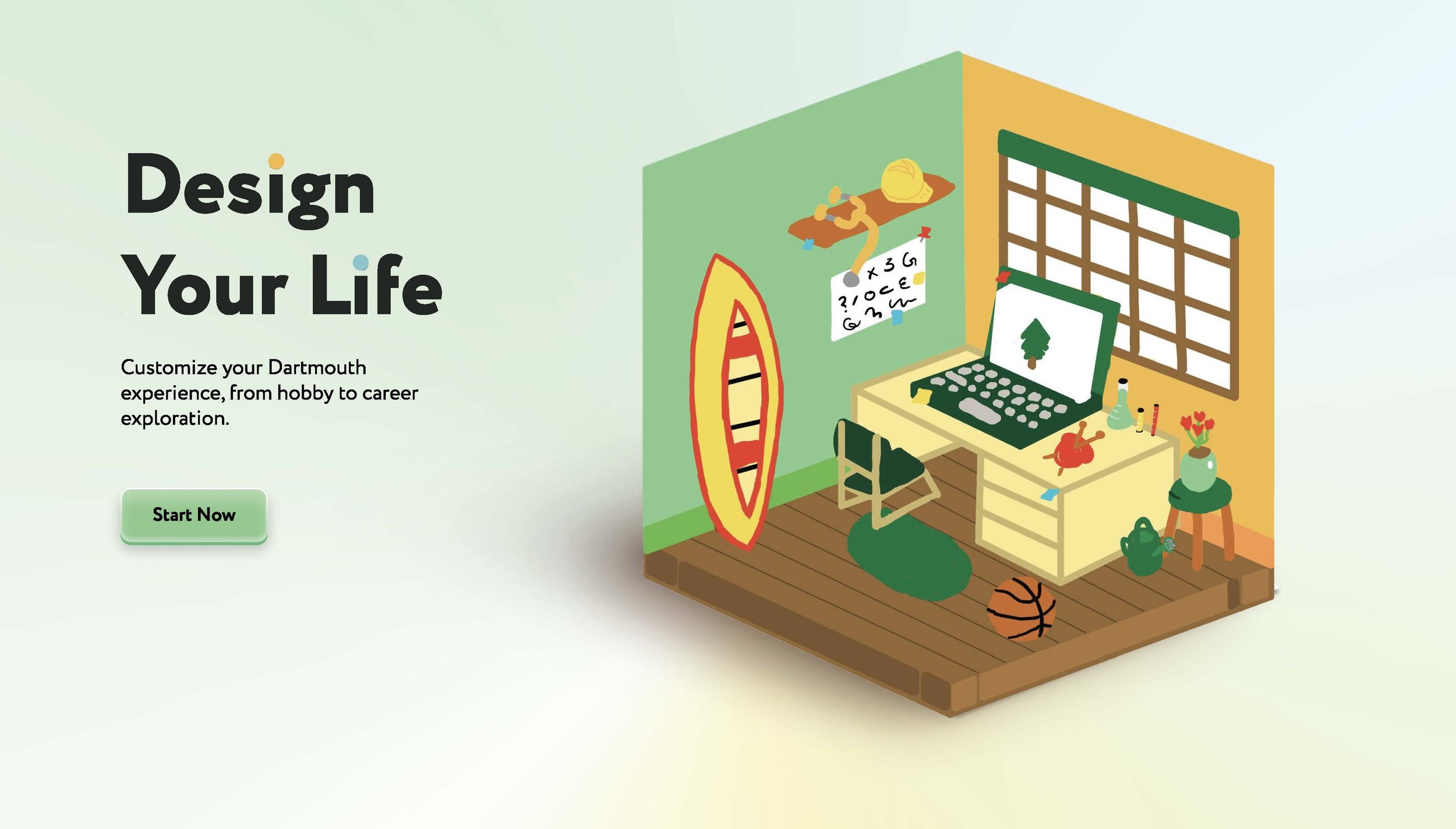
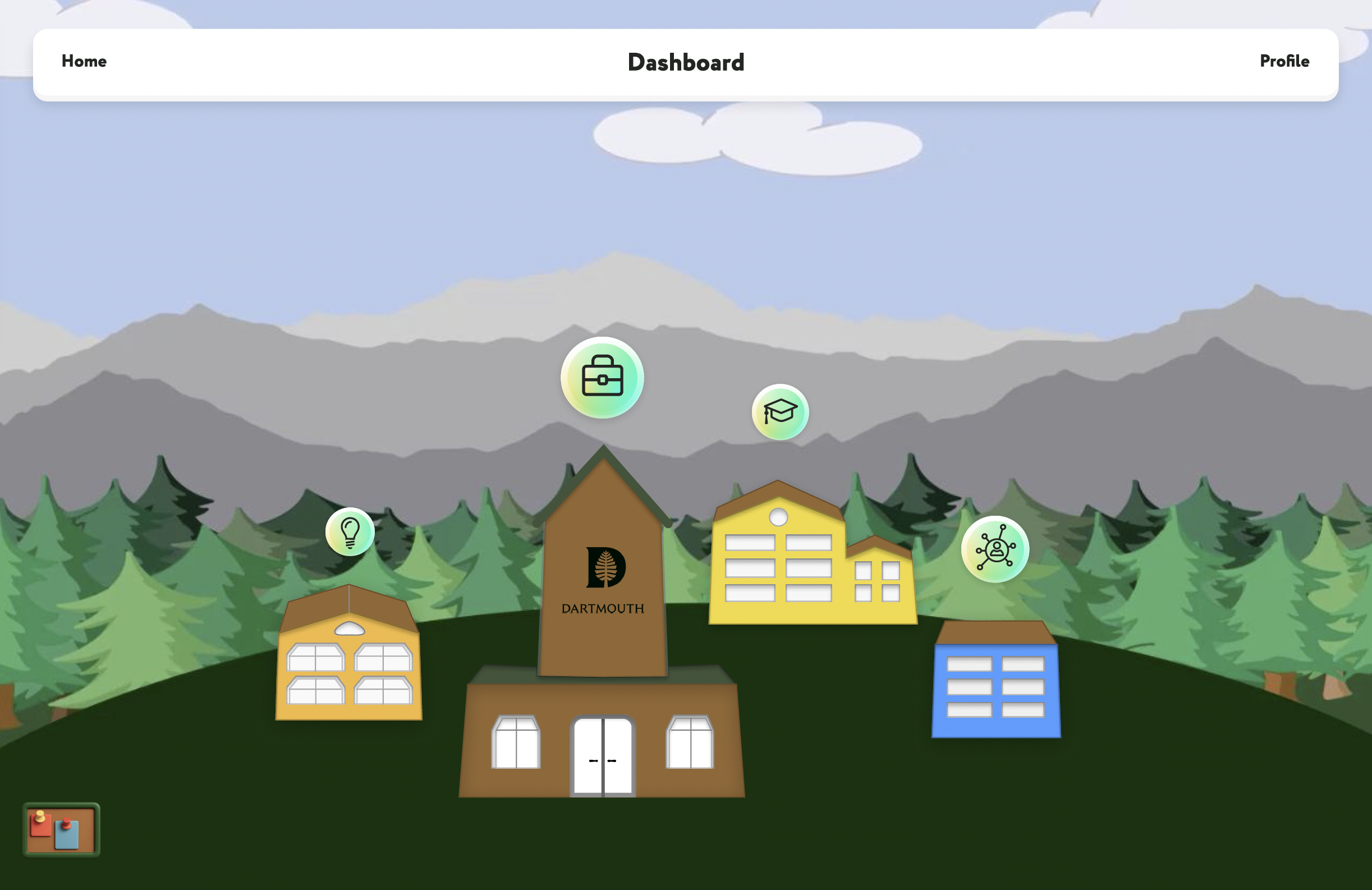
DartWorld is a spatial, narrative-driven prototype that helps students externalize their thinking, reflect on lived experience, and build a more coherent understanding of who they are becoming. Developed with Dartmouth’s Digital Applied Learning & Innovation (DALI) Lab, the platform combines reflective onboarding, a calm 3D world, and a journaling pinboard into a single environment for sensemaking..
Problem Context
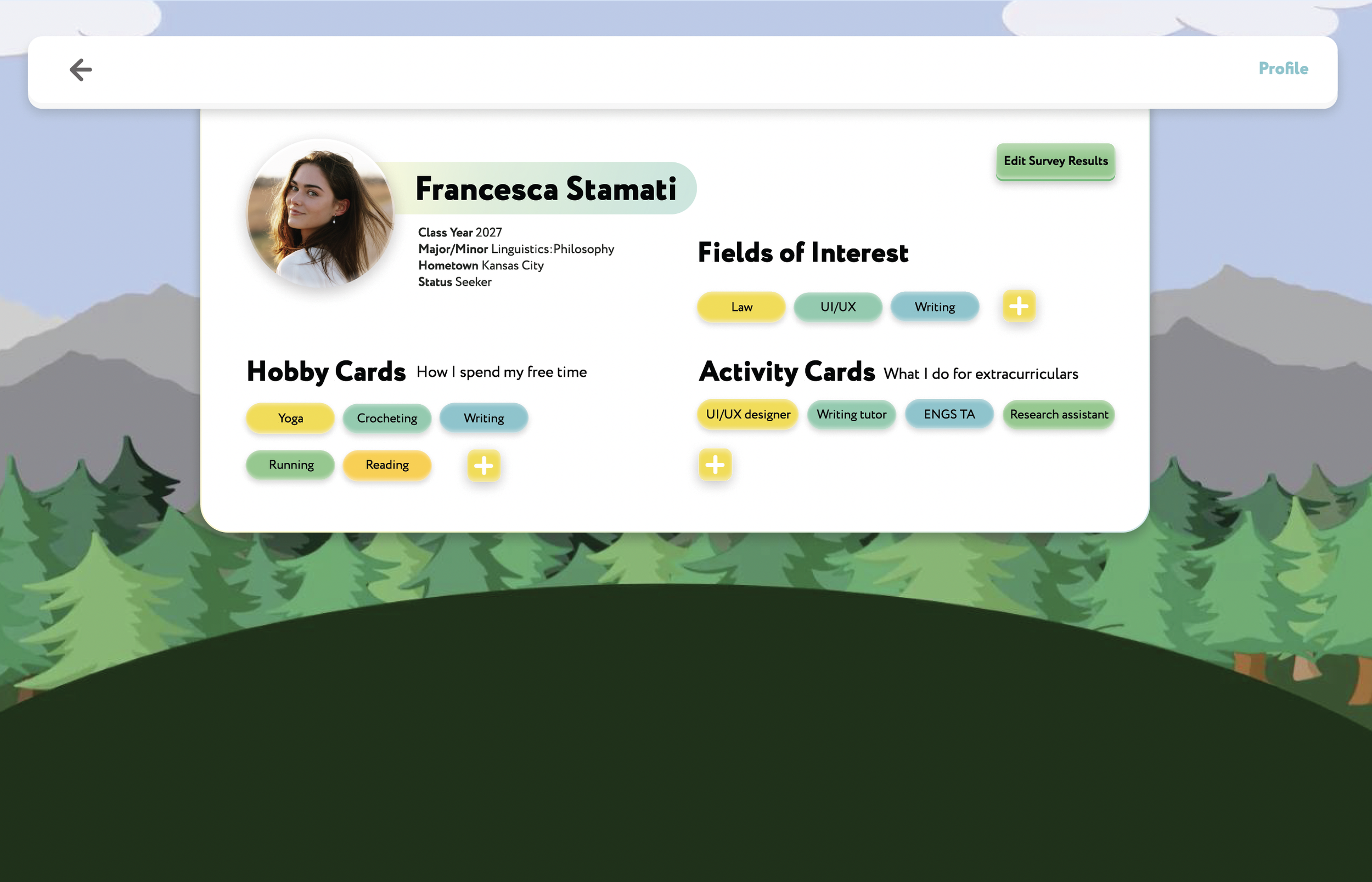
Students often struggle to connect experiences, values, and questions into a coherent sense of identity. Traditional advising and career tools tend to prioritize decisions and outcomes, leaving limited space for slower reflection. DartWorld was designed to create a calmer environment where students can explore their “inner landscape” with less pressure and more agency.
System Approach
Working with the DALI Lab, the team used iterative prototyping and insights from spatial cognition and reflective learning to design:
a low-fidelity 3D world that encourages calm exploration,
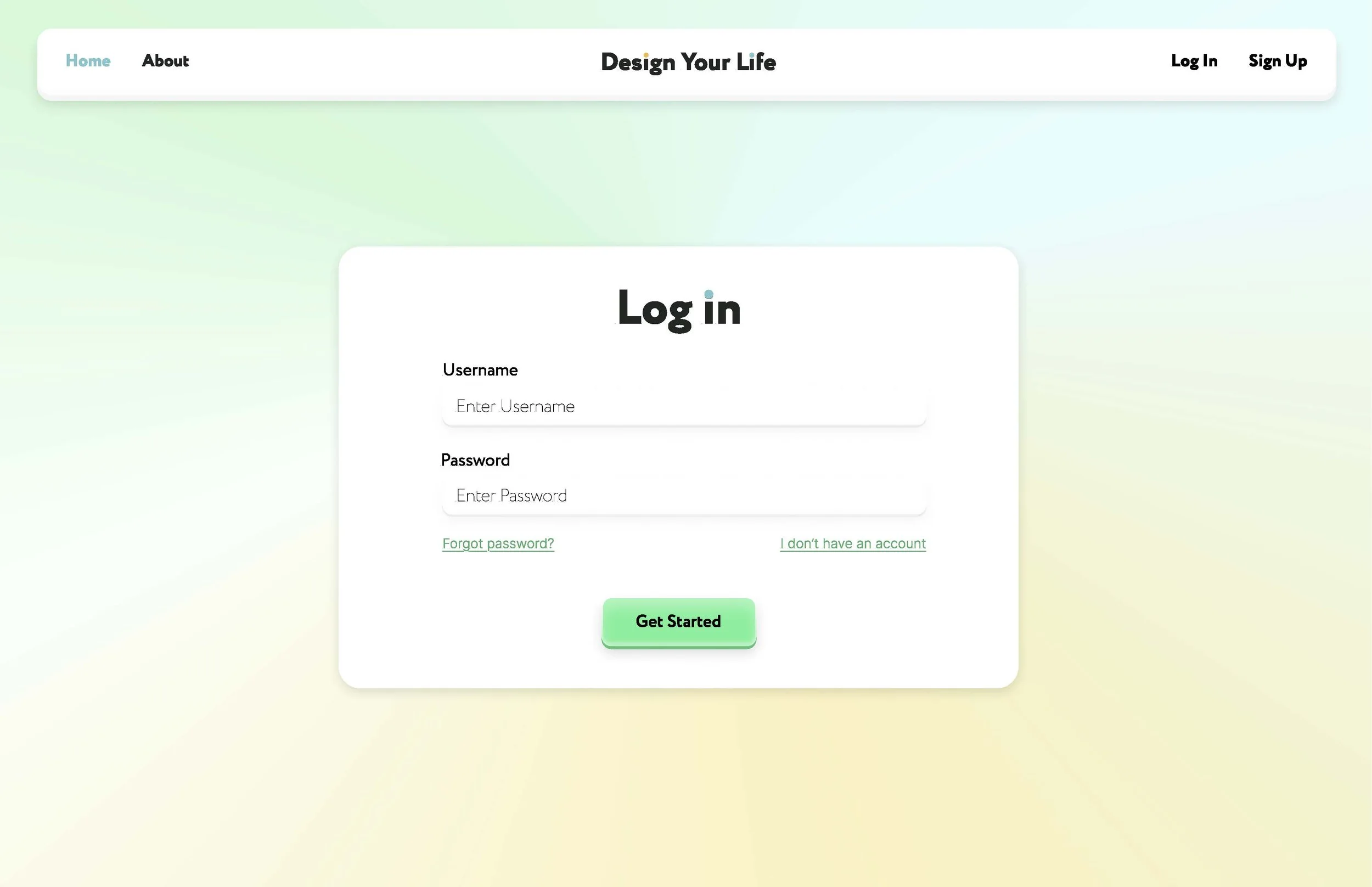
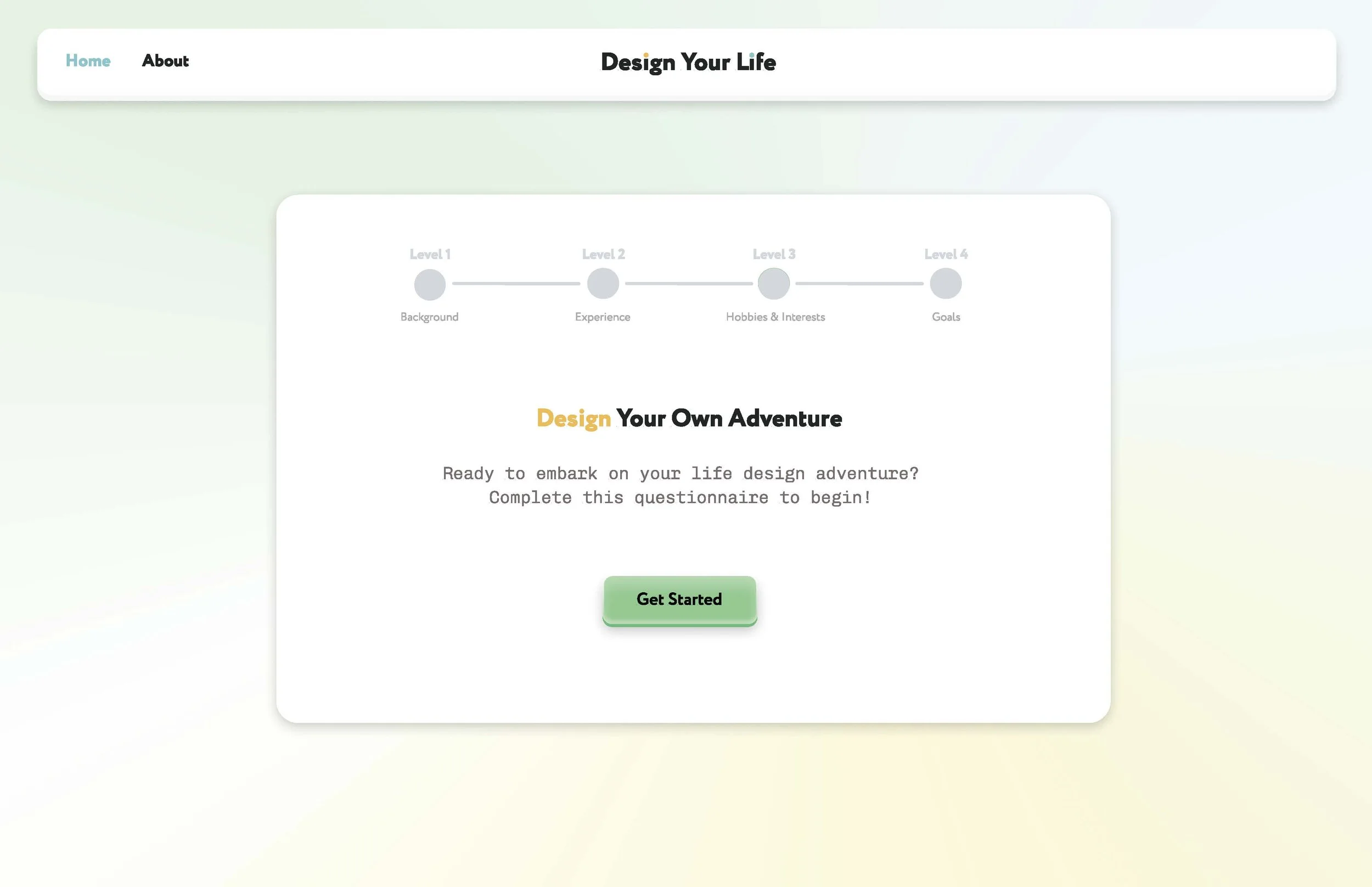
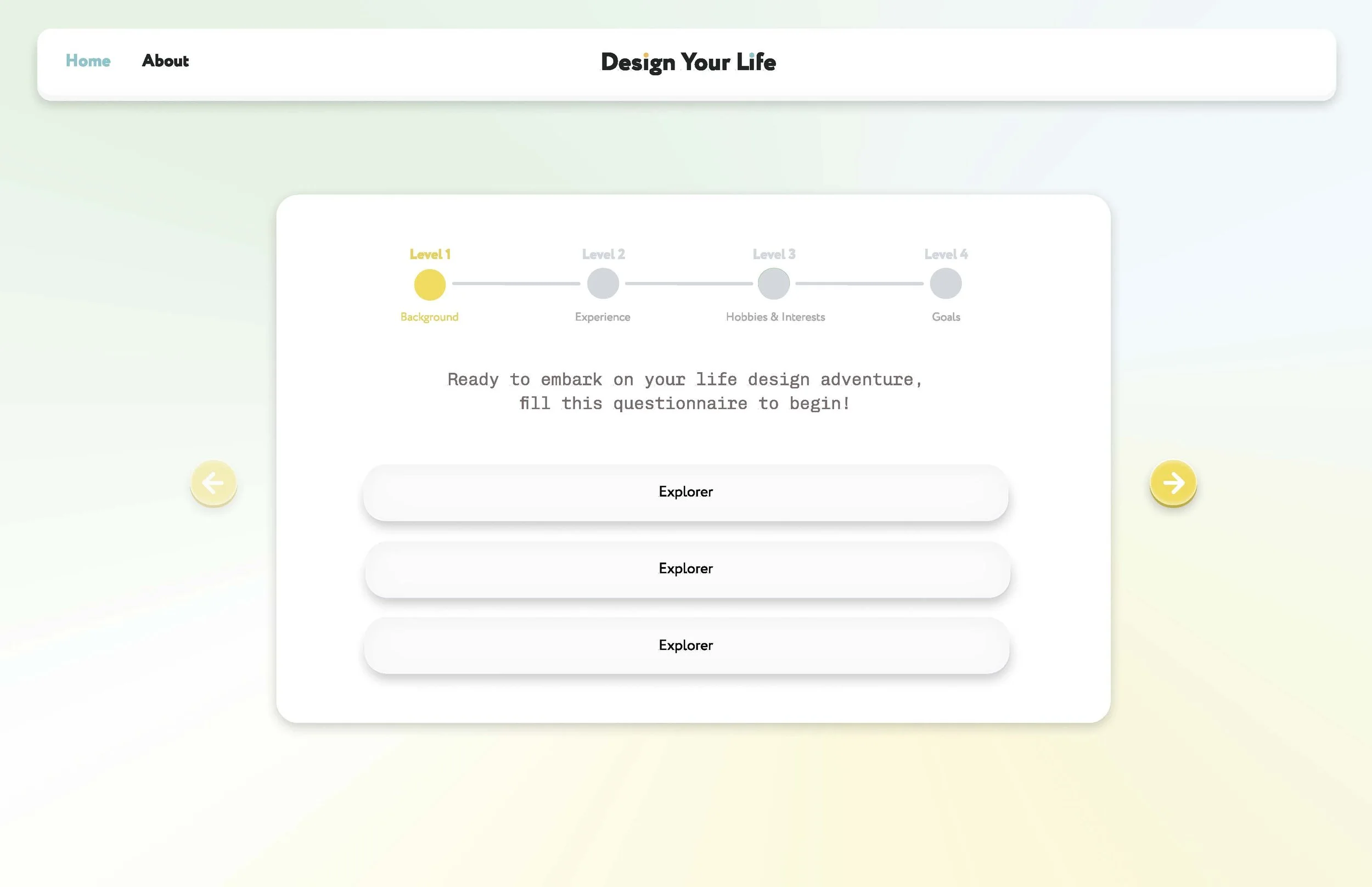
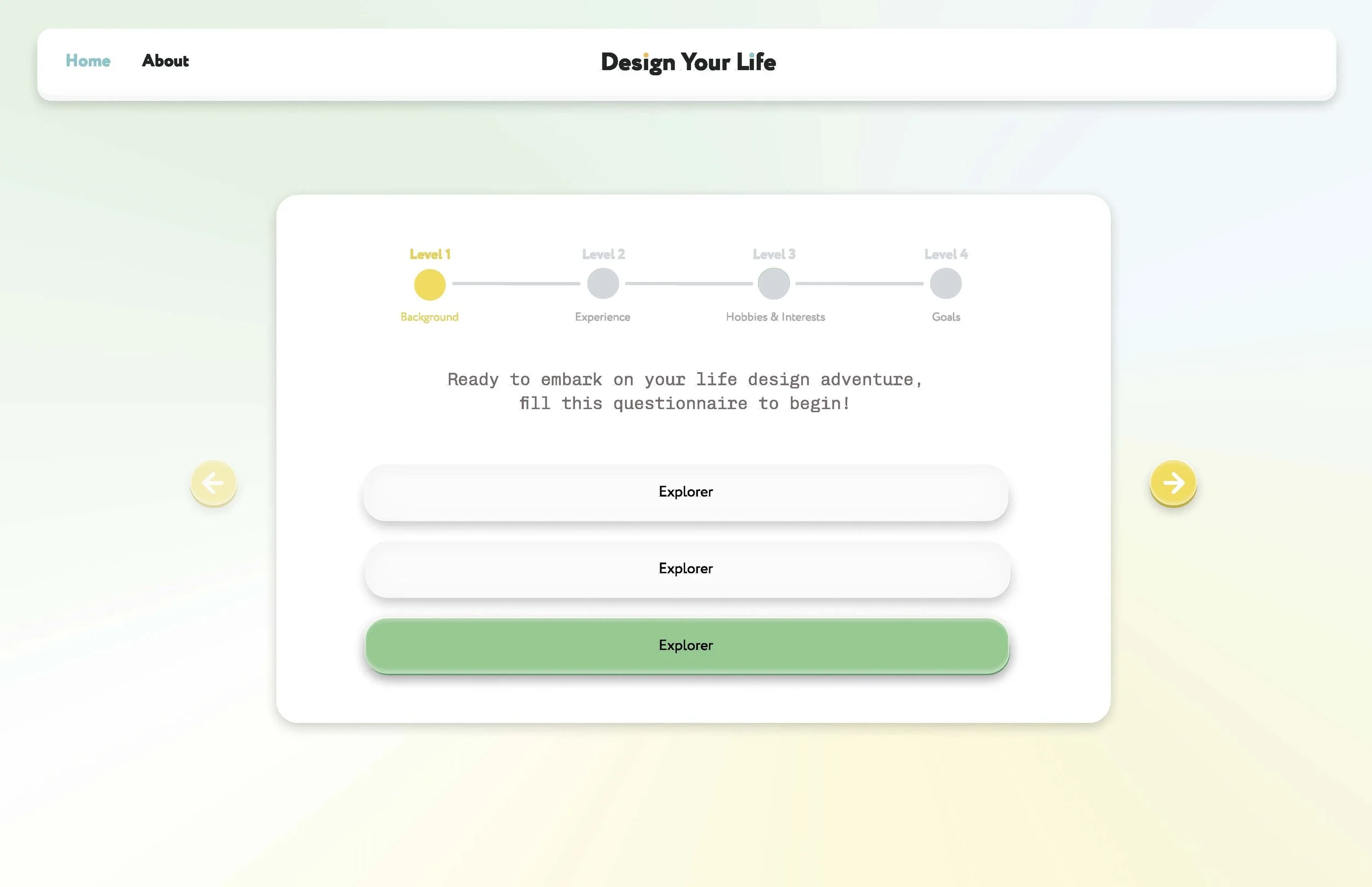
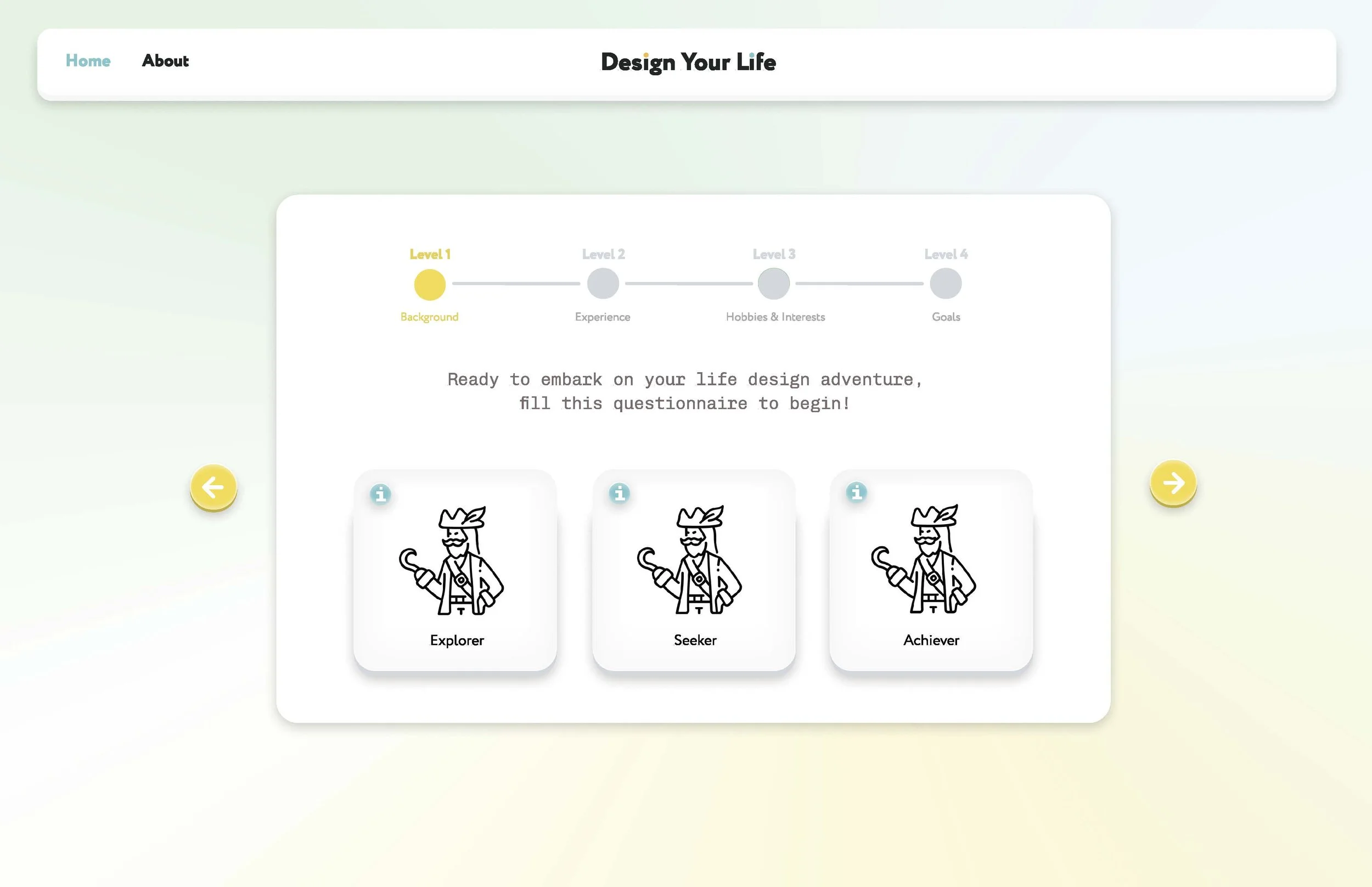
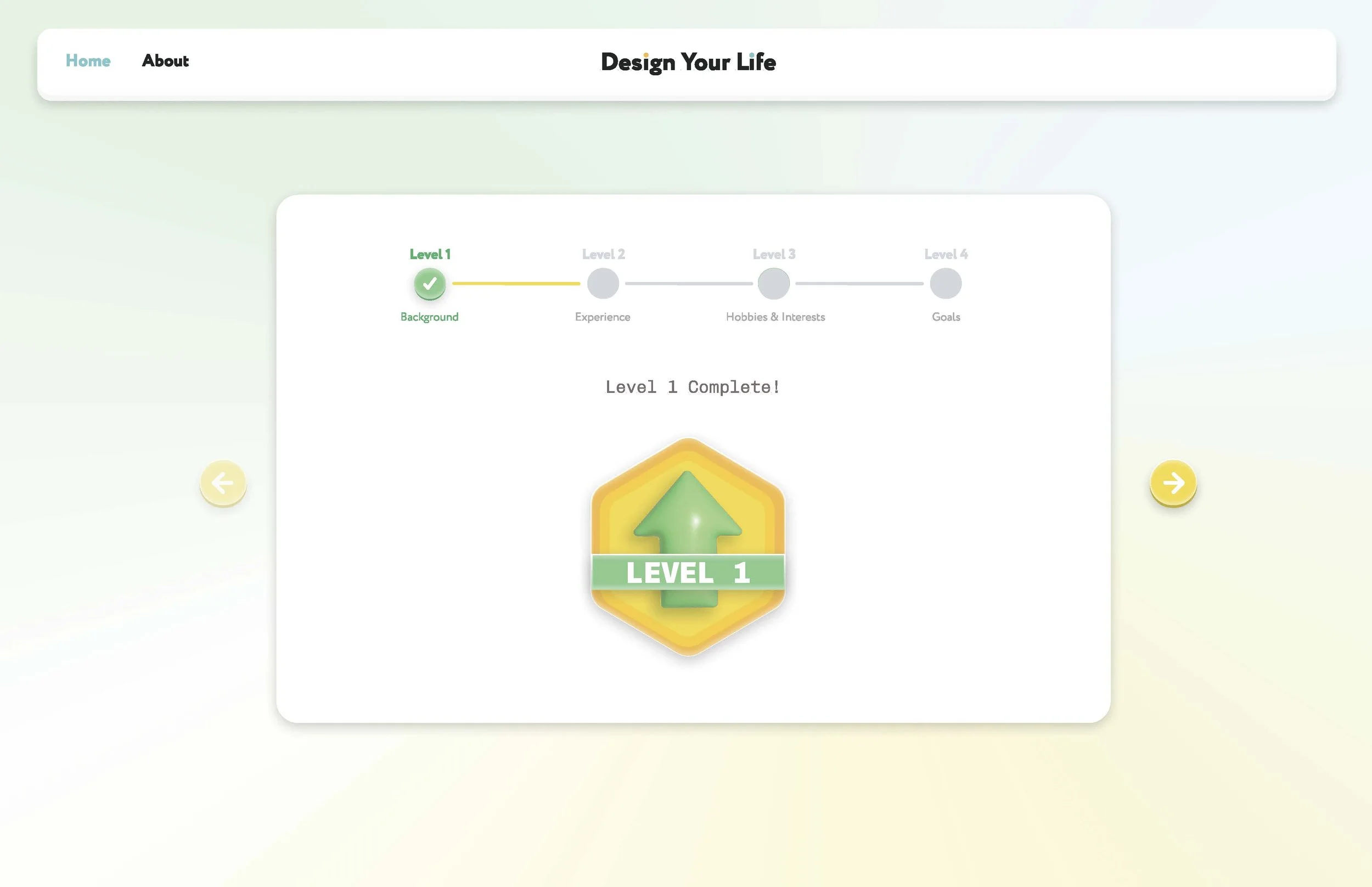
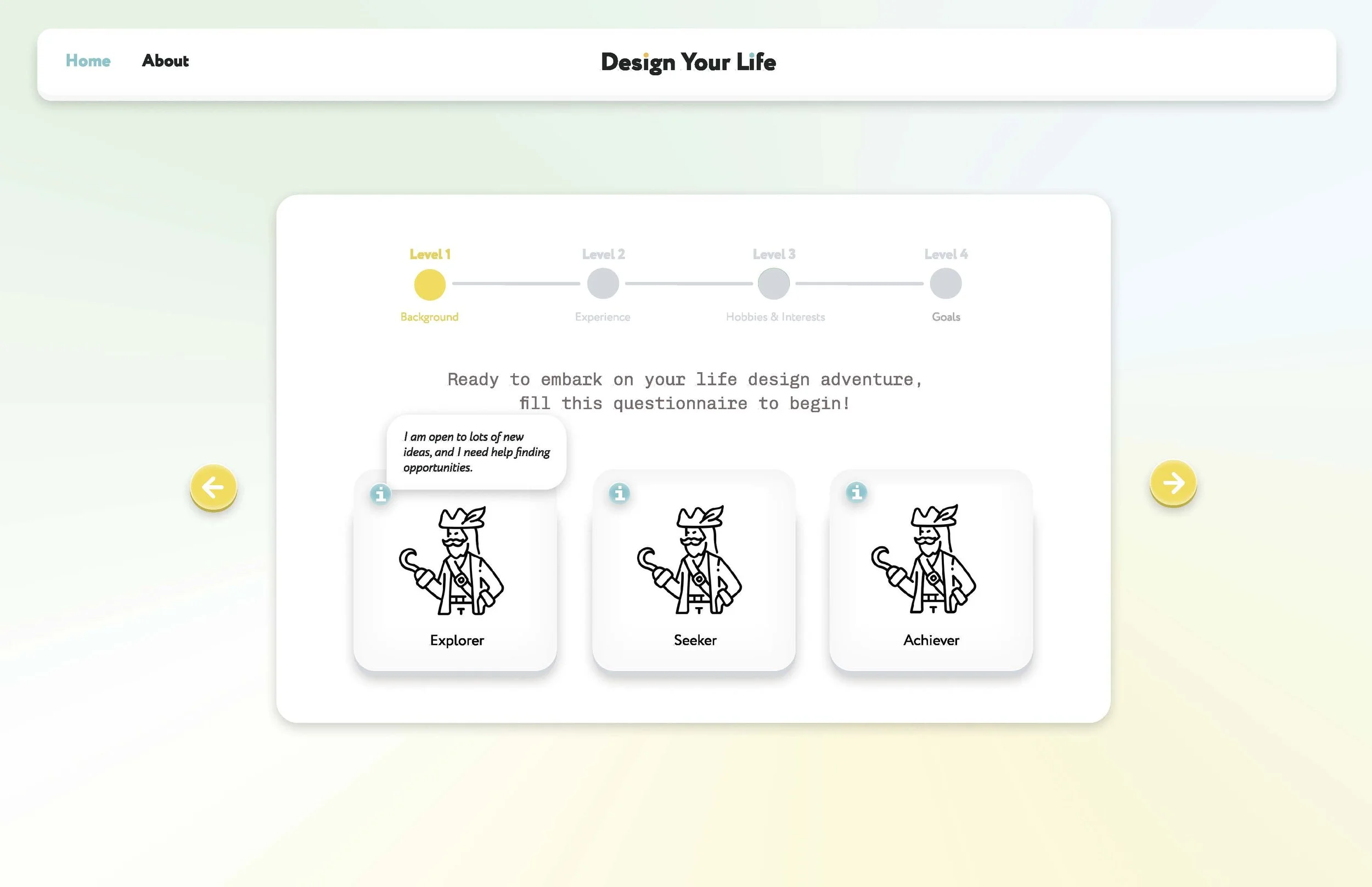
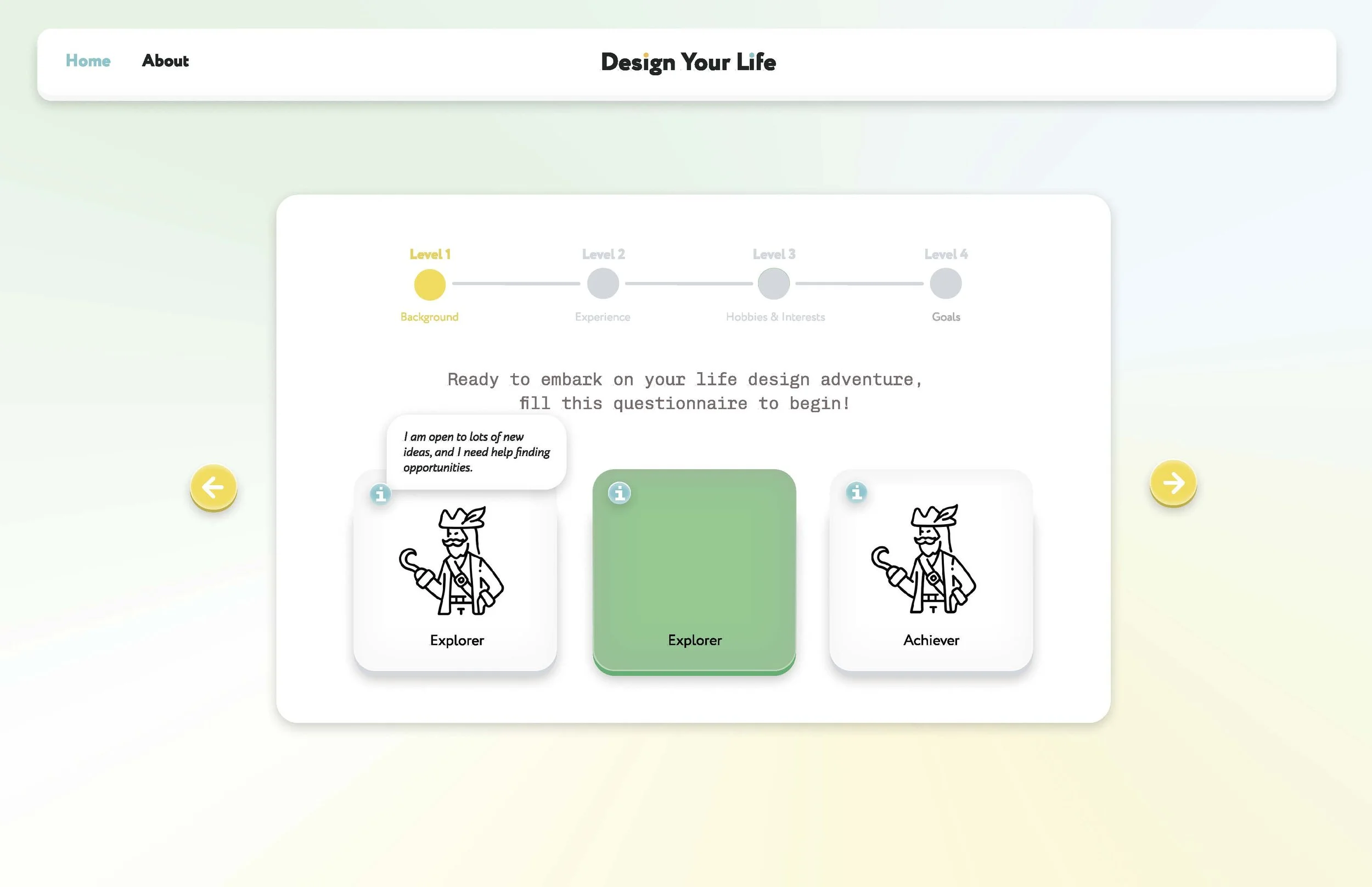
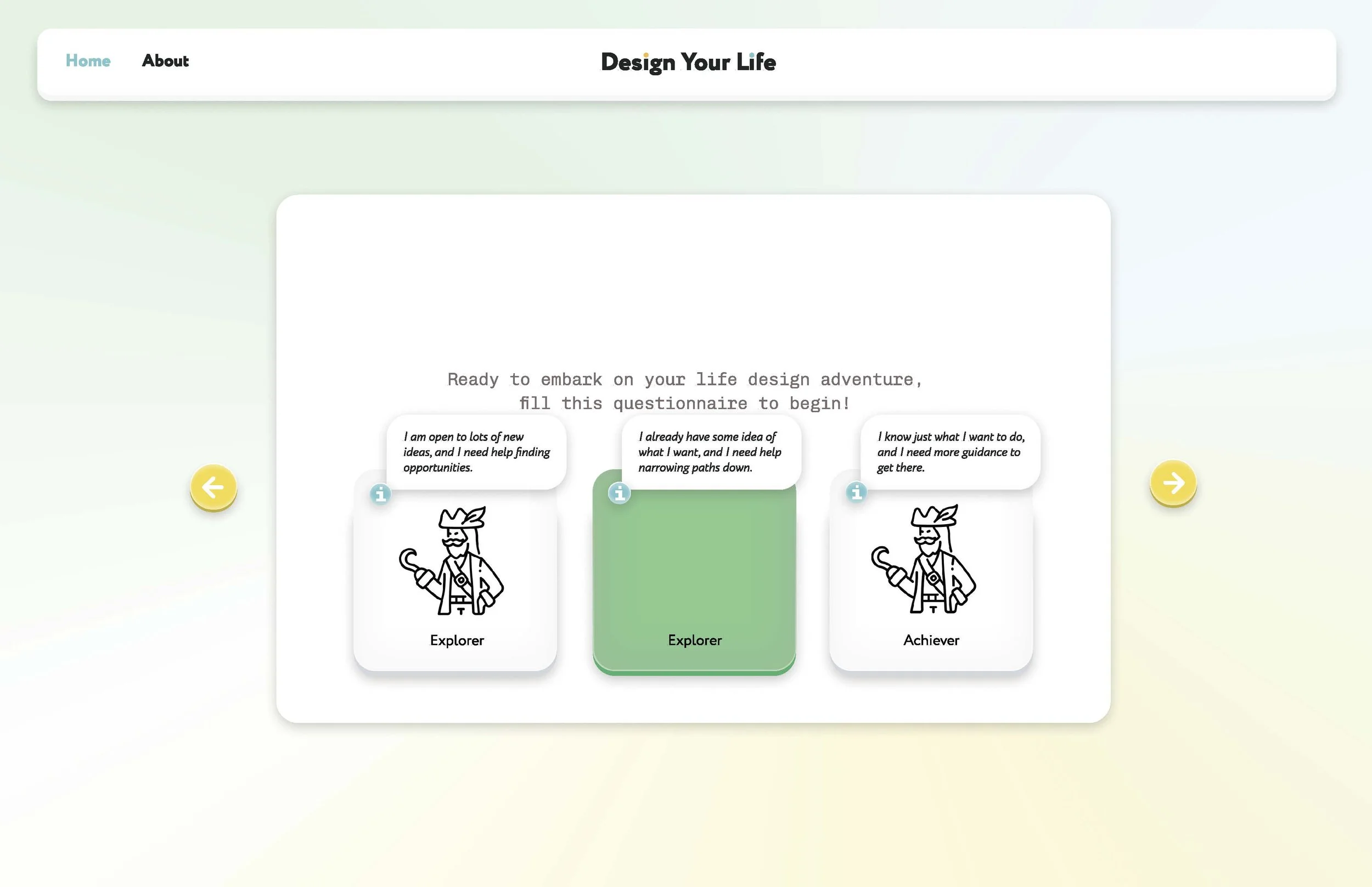
an onboarding flow that surfaces guiding motivations, and
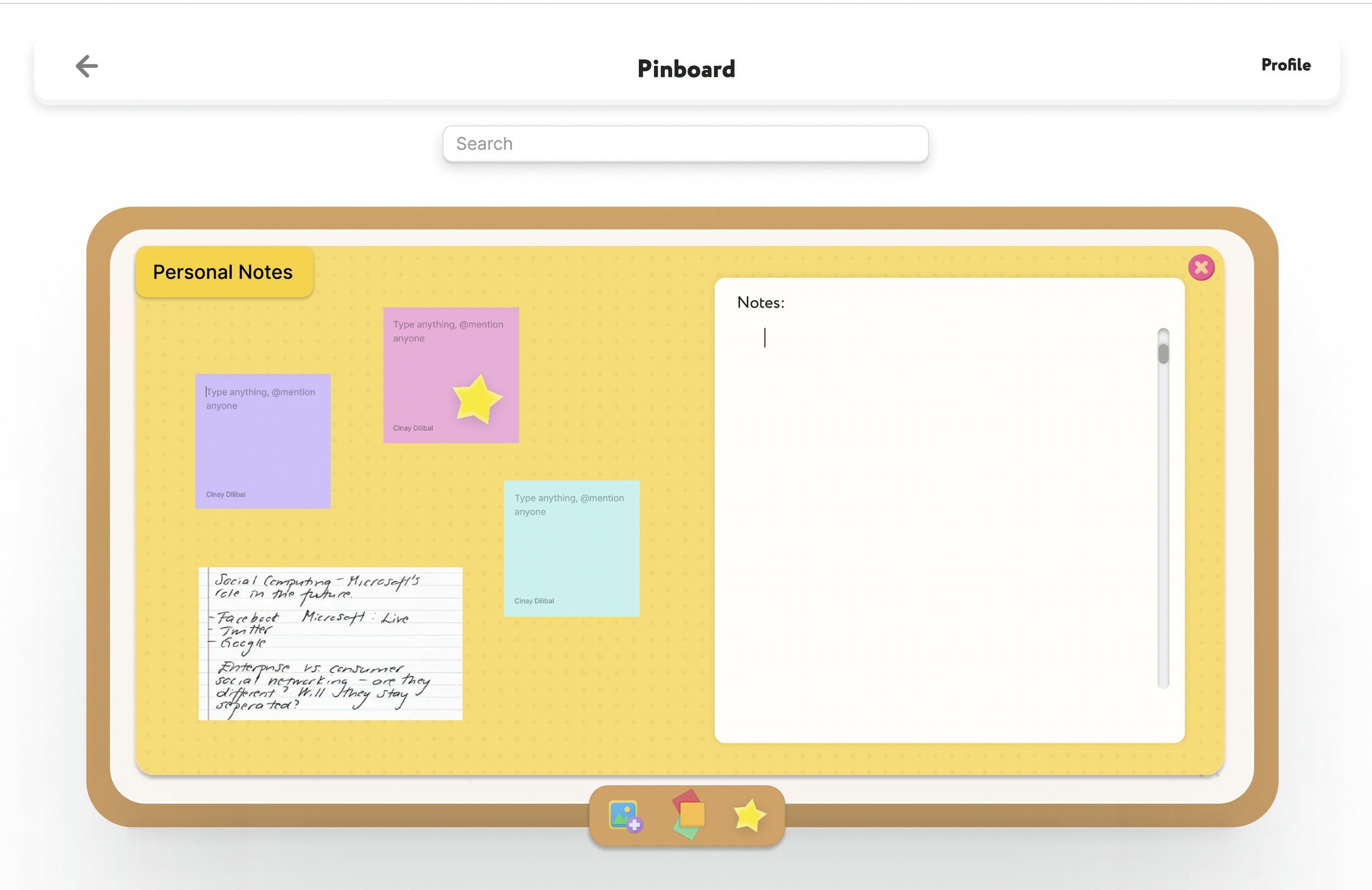
a journaling pinboard where reflections accumulate visually over time.
.
Prototype / Outcome
The final prototype includes three interlocking components:
A 3D environment that slows pacing and reduces cognitive pressure
Guided reflective prompts that help students name experiences and values
A pinboard where thoughts and insights become visible and revisitable over time

My Contributions
As a research intern at Lo/Be Lab, I supported the DartWorld project through a combination of design-research assistance and technical/visual production. My contributions included:
supporting data organization and synthesis from pilot usage and reflection outputs,
creating and refining conceptual diagrams / system explanations for how onboarding, spatial interaction, and pinboard accumulation work together,
assisting with content structure and documentation to communicate the platform’s process and logic clearly.
(Note: DartWorld was developed for Dartmouth College in collaboration with the DALI Lab; I contributed as an intern supporting the project team.)
Impact
Early testing indicated that the spatial format helped students reflect more deeply than traditional text-based tools. Students described DartWorld as “a place to think,” noting that movement, journaling, and visual memory made it easier to process experiences and notice change over time.
98
Students in the pilot group.
2.3 → 4.2
Increase on a 5-point scale.
90+
Journal entries created.
70+
Distinct identity themes surfaced.
Key Learning
This project strengthened my interest in how environment design shapes attention, reflection, and meaning-making. It also deepened my understanding of designing reflective systems that support clarity and agency through pacing, externalization, and narrative accumulation over time.